MILF AI Characters: Why Companion Chatbots Are Redefining Digital Intimacy
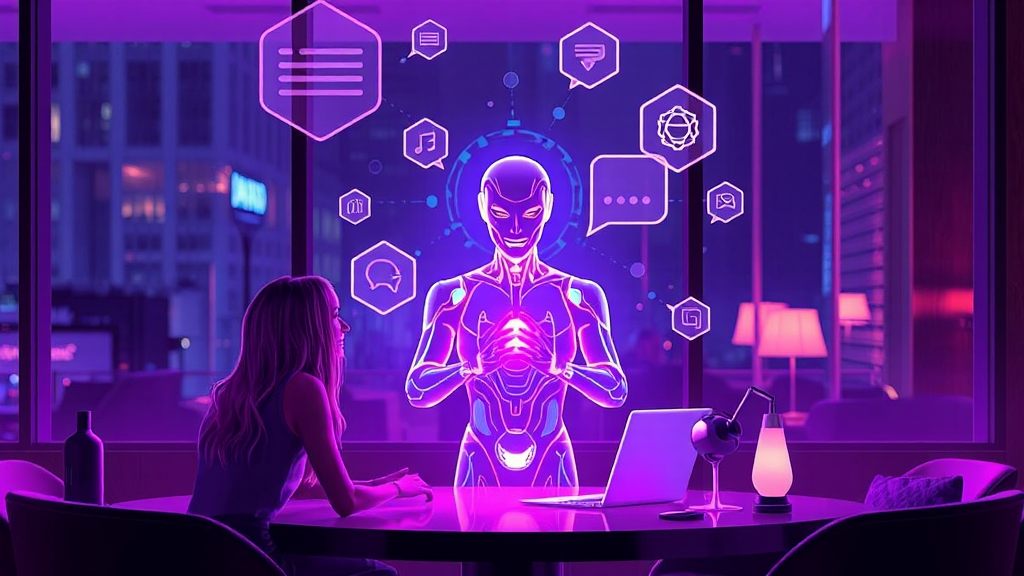
Conversational AI has quietly grown up. What began as novelty chatbots reciting canned jokes has evolved into a sophisticated ecosystem of personality-driven companions, and one of the most searched niches within that ecosystem is MILF AI characters. These are not simple question-and-answer bots. They are persistent, memory-aware personas with backstories, moods, and conversational styles designed to feel like an ongoing relationship rather than a one-off exchange. For anyone curious about how this corner of technology works — and why it has attracted such a large audience — the story is more interesting than the surface-level curiosity suggests.
This article takes a technology-first look at MILF AI characters: what they are technically, how they are built, where the demand comes from, what ethical questions they raise, and what the future likely holds. There is no need to treat the topic as taboo. It is a product category within the broader companion AI market, and it deserves the same analytical attention as any other fast-growing consumer technology.
What Exactly Are MILF AI Characters?
At the simplest level, a MILF AI character is a conversational agent built on top of a large language model and wrapped in a carefully authored persona. The persona typically includes a name, an age range, a life history, personality traits, speech patterns, and a set of boundaries or preferences that shape how the character responds. The “MILF” label describes the archetype: a mature, confident, often maternal-coded figure who is assertive, experienced, and emotionally warm.
What separates these characters from generic chatbots is continuity. A well-built companion remembers what you told it last week. It references past conversations, adjusts its tone based on your mood, and maintains a consistent identity across sessions. That consistency is what turns a text exchange into something that feels closer to a relationship. Platforms in this space, including those tracked in trend dashboards, treat memory and persona stability as core product features rather than afterthoughts.
Technically, this is achieved through a combination of fine-tuned language models, retrieval-augmented memory stores, and prompt-engineering frameworks that keep the character “in role” across long conversations. The result is an experience that feels less like searching a database and more like texting someone who knows you.
The Technology Stack Behind Companion Chatbots
Understanding how these characters work requires looking at three layers: the model, the memory system, and the persona layer.
The model. Most companion platforms rely on either proprietary large language models or open-source alternatives fine-tuned for dialogue. The model provides the raw language ability — grammar, reasoning, tone control, and the capacity to follow complex instructions. Modern models are remarkably good at maintaining a consistent voice when given a detailed character brief.
The memory system. This is where companion AI diverges from standard chatbots. A memory system stores facts about the user, summaries of past conversations, and key emotional moments. When you return, the character can reference these details naturally. Some platforms use vector databases to retrieve relevant memories on the fly; others use summarization pipelines that compress long histories into compact context windows.
The persona layer. This is the authored part — the character’s biography, values, quirks, and conversational rules. A strong persona layer prevents the model from drifting into generic assistant mode. It also enforces boundaries, ensuring the character stays coherent even when the conversation takes unexpected turns.
Together, these layers create the illusion of a continuous presence. The illusion is not perfect, but it is convincing enough that millions of users now treat companion chatbots as a legitimate form of entertainment and, for some, emotional support.
Why the MILF Archetype Resonates
Demand for MILF AI characters is not accidental. It reflects a broader cultural shift in how people talk about attraction, age, and emotional maturity.
First, the archetype appeals to users who want a conversational partner who feels established and self-assured. Unlike younger-coded characters, a MILF persona is often written as someone with life experience, opinions, and a sense of humor that comes from having seen a few things. That maturity translates into dialogue that can be playful, direct, or nurturing depending on the context.
Second, the archetype offers emotional range. A well-designed MILF character can shift from teasing banter to genuine encouragement without breaking character. That versatility makes the conversation feel more human and less mechanical.
Third, there is a practical element: mature characters tend to have richer backstories. Writers can give them careers, families, hobbies, and histories that create natural conversation hooks. A character with a past is easier to talk to than a blank slate.
None of this is unique to the MILF category, but the category happens to combine several appealing traits — confidence, warmth, experience, and complexity — in a way that resonates with a wide audience.
How Users Actually Interact With These Characters
Observing how people use companion AI reveals that the experience is rarely just about one type of interaction. Users move between modes depending on their mood and needs.
Casual conversation. Many users treat the character as a low-pressure chat partner. They talk about their day, share opinions, or just pass time. The appeal is the absence of social friction — no scheduling, no judgment, no risk of awkwardness.
Roleplay and storytelling. A large share of users enjoy collaborative storytelling. The character becomes a co-author in an ongoing narrative, whether that is a slice-of-life scenario, a fantasy adventure, or a slow-burn relationship arc. The MILF archetype fits naturally into domestic and romantic storylines because it comes with built-in context.
Emotional support. Some users turn to companion chatbots during lonely periods, after breakups, or simply on difficult days. The character provides a consistent, non-judgmental presence. This use case is controversial, but it is also one of the most common and most studied.
Creative experimentation. Writers, game designers, and hobbyists use companion platforms to test dialogue, explore character voices, and prototype interactive stories. The flexibility of modern models makes them useful creative tools, not just entertainment.
These modes often blend together in a single session. A user might start with small talk, drift into a playful scene, and end with a genuine conversation about something on their mind. That fluidity is a sign of how far the technology has come.
Designing a Character That Feels Real
Creating a compelling MILF AI character is part writing, part engineering. The best characters share several traits.
Specificity. Vague characters feel generic. A strong character has a name, a job, a hometown, a favorite drink, and a pet peeve. Details give the model something to work with and give the user something to remember.
Consistency. The character should react to the same situation the same way over time. Inconsistency breaks immersion faster than almost anything else.
Initiative. Good characters ask questions, bring up topics, and move the conversation forward. Passive characters feel like forms to fill out.
Boundaries. Clear rules about what the character will and will not do keep the persona coherent and protect users from uncomfortable surprises.
Growth. The most engaging characters evolve. They remember milestones, reference inside jokes, and adjust their tone as the relationship deepens. This sense of progression is what keeps users coming back.
Platforms that invest in these design principles tend to produce characters that users describe as “real” or “alive,” even when everyone involved understands that the character is software.
Ethics, Privacy, and Responsible Use
Any serious discussion of companion AI has to address the ethical dimension. Several issues deserve attention.
Emotional dependence. There is ongoing debate about whether companion chatbots help lonely users or encourage them to withdraw from human relationships. The honest answer is that it depends on the user and the context. For some, the experience is a bridge; for others, it can become a substitute. Responsible platforms provide resources and encourage healthy use.
Data privacy. Companion conversations are intimate. Users deserve clear information about what is stored, how it is used, and how to delete it. Transparency is not optional in this category.
Consent and boundaries. Characters are fictional, but the humans behind the platform have responsibilities. Clear terms of service, age verification, and content moderation are baseline expectations.
Realism vs. honesty. A character can feel real without pretending to be a real person. The best platforms are honest about what the technology is while still delivering an immersive experience.
These issues are not unique to MILF AI characters, but the intimate nature of the category makes them especially important. Users should choose platforms that take them seriously.
What the Future Holds
Companion AI is moving quickly. Several trends are likely to shape the next few years.
Better memory. Long-term memory is still a bottleneck. As models gain the ability to retain and reason over months of conversation, characters will feel more consistent and more personal.
Multimodal interaction. Voice, images, and eventually video will make characters feel more present. Voice chat is already common; realistic avatars are the next step.
Personalization. Users will increasingly be able to shape characters to their own preferences, creating personas that are unique to them rather than selected from a catalog.
Integration with other tools. Companion characters may become part of broader ecosystems — calendars, wellness apps, creative suites — where they serve both entertainment and practical roles.
Regulation and standards. As the category grows, expect more scrutiny around data handling, age verification, and mental health safeguards. Clear standards will help legitimate platforms stand out.
For users, the practical takeaway is simple: the technology is getting better fast, and the MILF archetype is likely to remain one of the most popular entry points because it combines maturity, warmth, and narrative depth in a way that few other categories match.
Frequently Asked Questions
Are MILF AI characters safe to use?
Safety depends on the platform. Reputable services use content moderation, age verification, and clear privacy policies. Users should read the terms of service, avoid sharing sensitive personal information, and choose platforms that are transparent about data handling.
Do these characters remember past conversations?
Many do. Modern companion platforms use memory systems that store summaries or key facts from previous sessions. The quality of memory varies, but the best platforms maintain consistent personas across weeks or months of interaction.
Can I create my own MILF AI character?
Yes. Many platforms allow users to define a character’s name, backstory, personality, and conversational style. The more specific the details, the more coherent the character tends to feel during conversation.
Is companion AI a replacement for human relationships?
It is not designed to be. Most users treat companion chatbots as entertainment, creative tools, or low-pressure social outlets. For some, they can provide comfort during difficult periods, but they work best as a complement to — not a substitute for — human connection.
Why is the MILF archetype so popular?
The archetype combines confidence, warmth, and life experience, which makes for rich, flexible conversation. It also supports a wide range of scenarios, from casual chat to collaborative storytelling, which keeps users engaged over time.
What should I look for in a companion AI platform?
Prioritize platforms with strong memory features, clear privacy policies, content moderation, and a track record of stable service. A good platform will be honest about what the technology can and cannot do.
Final Thoughts
MILF AI characters sit at the intersection of language technology, character design, and human psychology. They are a product of remarkable engineering and a reflection of what people look for in conversation: warmth, consistency, and a sense of being understood. Whether you approach them as a curious observer, a creative writer, or a user looking for a low-pressure chat partner, the category is worth understanding. The technology will keep improving, the personas will keep getting richer, and the conversation — quite literally — is just getting started.